
Wan 2.7 Image Review: Mastering Realism and Control in Unified AI Image Generation
In the rapidly evolving world of artificial intelligence, creative professionals often encounter recurring frustrations. From the aesthetic fatigue of homogenized AI portraits to the lack of precise color control and the infamous struggle with text rendering, the industry has been waiting for a more comprehensive solution. Recently, Alibaba officially released its unified model for image generation and editing, and it aims to tackle these exact pain points head-on.
In this comprehensive Wan 2.7 Image review, we will explore how this newly released model brings a genuine "human feel", precise color palette control, and unprecedented long-text rendering capabilities to the table. As enthusiasts of cutting-edge AI technology, we are thrilled to break down what makes Wan 2.7 Image a significant leap forward. Furthermore, if you are eager to test these capabilities firsthand, you can explore our Wan 2.7 AI Image Generator on Klingaio.com, where we have integrated this remarkable technology (please note that we are an independent platform integrating the API, not the official platform).
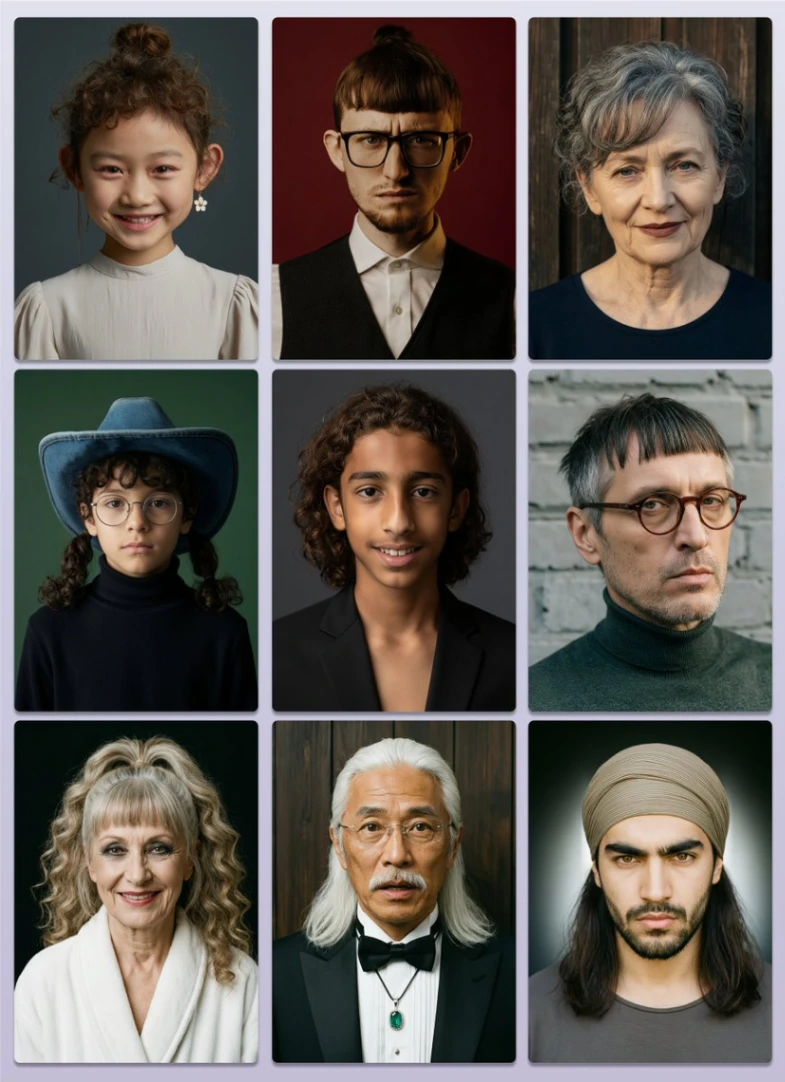
Sculpting Genuine Faces: Ending the "Standard AI Face"
One of the most common critiques of modern AI image generation is that every portrait tends to look identical. Wan 2.7 Image was designed specifically to fix this issue of homogenization. The development team has heavily reinforced the model's virtual avatar customization features, allowing users to shape faces at an incredibly granular level.
Instead of applying simple filters or minor variations, the model grants full control over underlying bone structures, specific eye shapes (such as deep-set eyes or phoenix eyes), and overall facial contours (including round, square, or rectangular face shapes). You can also customize makeup, hairstyles, and accessories across different ethnicities, ages, and body types. This means the AI no longer defaults to a generic "standard face", but rather creates highly recognizable, lifelike individuals every single time. Notably, in recent blind tests assessing human preferences, Wan 2.7 Image topped the rankings among image generation models in China, serving as a compelling testament to the exceptional realism of its generated imagery.
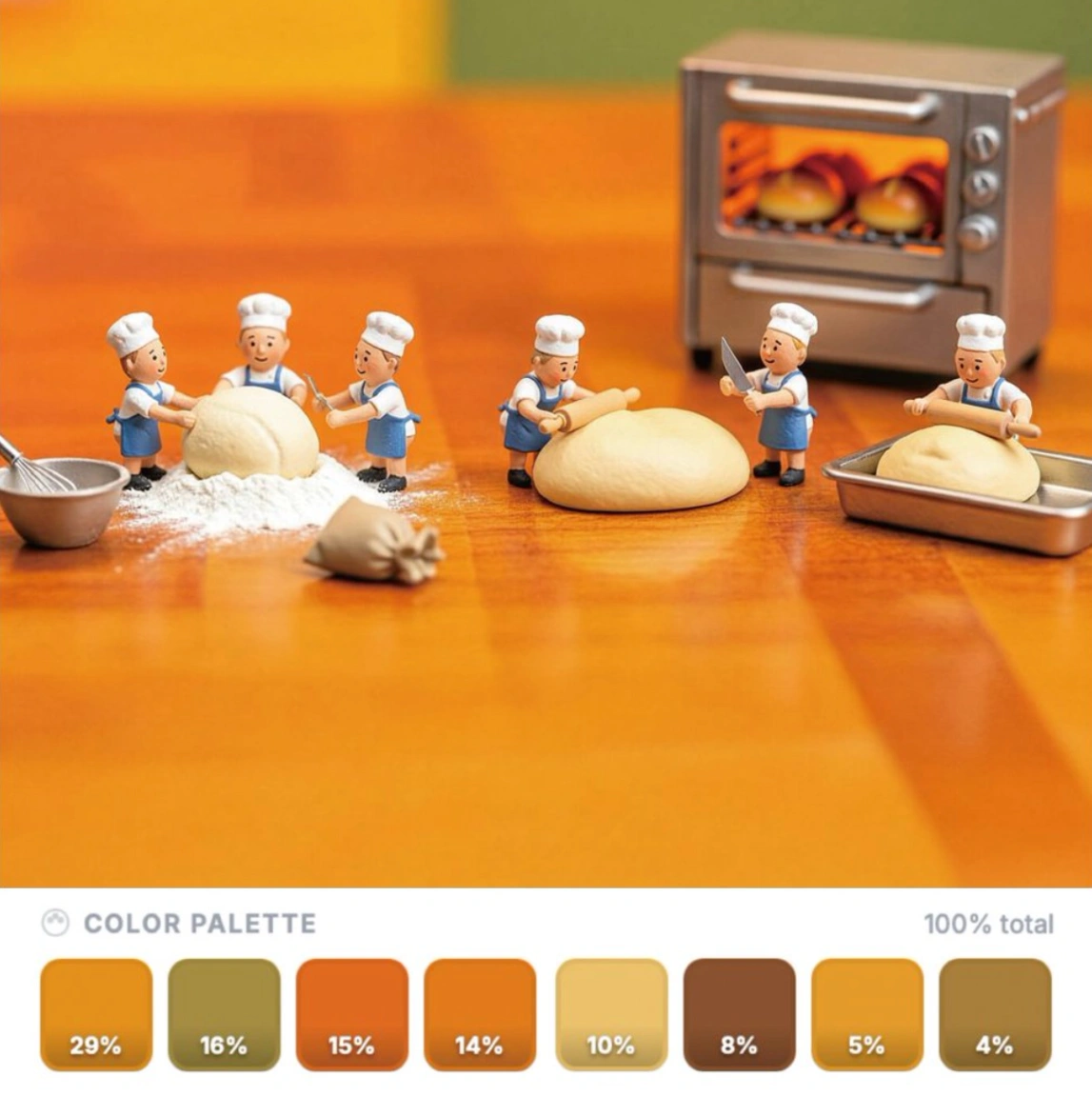
Mastering the Color Palette: Precision for Professionals
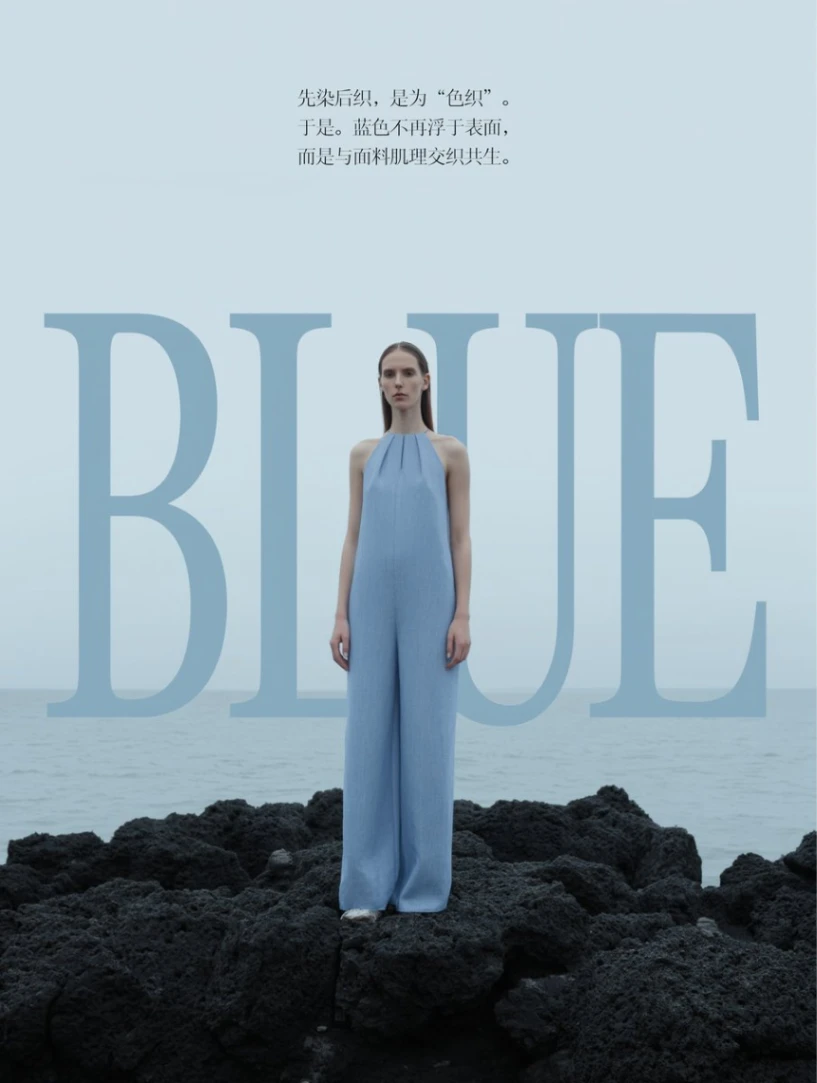
For professional designers, colors should never be left to chance or surprise. Wan 2.7 Image introduces a highly controlled color palette system that is invaluable for photography, illustration, product design, and corporate brand systems.
Users can simply upload a reference image, and the model will automatically extract its core color palette. By utilizing exact HEX codes and reference image extraction, creators can ensure that the generated images adhere strictly to specific visual guidelines, bringing a new level of professional reliability to AI art generation.
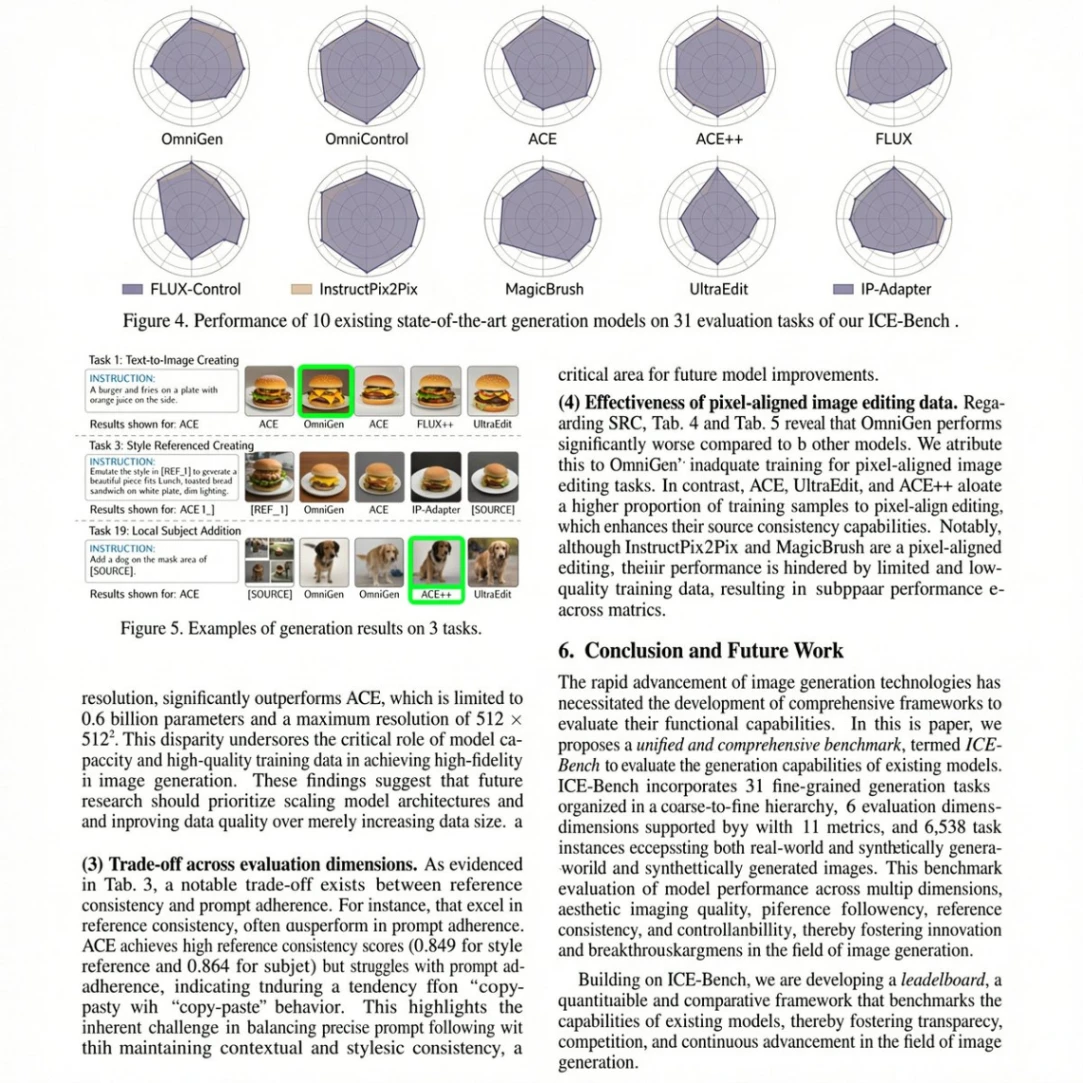
Pushing the Limits of Text Rendering: 3K Tokens and 12 Languages
Historically, text rendering has been the Achilles' heel of image generation models. Attempts to generate images with text often resulted in blurry characters, broken layouts, or entirely missing words. Wan 2.7 Image has successfully broken through this bottleneck.
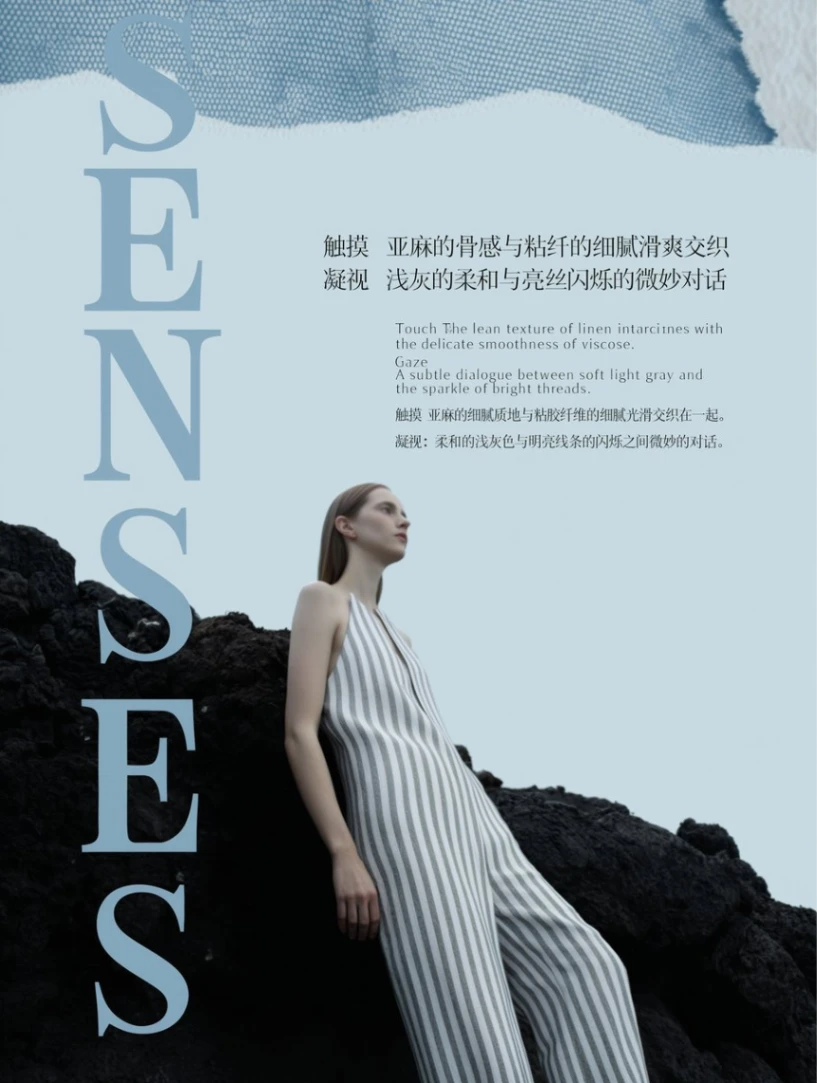
Thanks to its advanced ability to memorize and parse ultra-long sequences, the model supports an astonishing input of up to 3,000 tokens. This allows for print-quality rendering across 12 different languages, including English and Chinese. Whether you need to generate academic papers filled with complex mathematical formulas, financial reports with dense data tables, vertical scrolling layouts, or infographics packed with mixed text and images, the model handles it flawlessly. You can even generate enough clear text to fill an entire A4 page without missing characters or experiencing layout failures.
Interactive Visual Editing: Point, Describe, and Create
Beyond simple text-to-image generation, Wan 2.7 Image places a massive emphasis on user controllability through its native interactive editing module. The philosophy here is that editing an image should be as simple as pointing at a spot and describing what you want.
By using simple bounding box instructions on your uploaded images, you can select specific regions to modify. The model allows you to easily move, resize, or rotate elements. You can swap objects, insert brand new elements, or change text content, fonts, colors, and alignments. It even supports extracting foreground elements with transparent backgrounds, making it a highly versatile tool for composite workflows.
Multi-Image Generation and Subject Consistency
Maintaining style and character consistency across multiple frames is a notorious challenge in AI workflows. Wan 2.7 Image significantly lowers the "randomness" of AI creation by offering robust multi-subject consistency capabilities.
Users can generate up to 12 consistent images in a single batch using just one prompt. This is exceptionally useful for creating storyboards, product catalogs, multi-angle architectural views, slide deck illustrations, children's books, or wedding photography series. Furthermore, the model allows you to input up to 9 reference source images, ensuring that characters, objects, and overall styles remain perfectly unified across every single frame.
The Technical Logic Behind the Magic
The impressive accuracy and understanding demonstrated by Wan 2.7 Image are rooted in fundamental architectural breakthroughs. The model utilizes a leading unified architecture for both generation and understanding. By sharing a latent space to achieve semantic mapping, the text and the visual elements are tightly linked. The model no longer has to "guess" what the text means; instead, it deeply understands it.
During the training process, the development team introduced multi-modal instructions (such as combining text and pictures). This allowed the model to evolve from simple "pixel fitting" to profound "underlying semantic cognition". Additionally, to handle rare and complex edge cases, the team built a highly detailed multi-dimensional annotation system covering layouts, lighting, and camera angles, ensuring the model remains highly robust even when given highly complex instructions.
For users needing even more power, an upgraded version trained on a larger scale of data and parameters (known as the Pro version) was also launched simultaneously. This advanced tier offers even more stable compositions and an even sharper semantic understanding.
Conclusion
To summarize our Wan 2.7 Image review, it is clear that Alibaba has delivered a truly unified model that brilliantly bridges the gap between generation, deep image understanding, and interactive editing. By solving critical industry pain points like homogenized faces, unpredictable colors, and poor text rendering, it empowers creators to work with unprecedented precision and scale.
If you are looking to elevate your creative workflow and experience the power of consistent, print-quality AI generation, we cordially invite you to try our Wan 2.7 AI Image Generator. You can explore all these amazing features directly at https://klingaio.com/wan-image/wan-27-image. Experience the future of intelligent image creation today, and see firsthand how Wan 2.7 Image is redefining the boundaries of digital art.