
Qwen-Image-2.0 Release: A Technical Preview of the Future of AI Image
Date: February 12, 2026
Category: AI Image / Generative AI
Verdict: ⭐⭐⭐⭐⭐ (4.9/5)
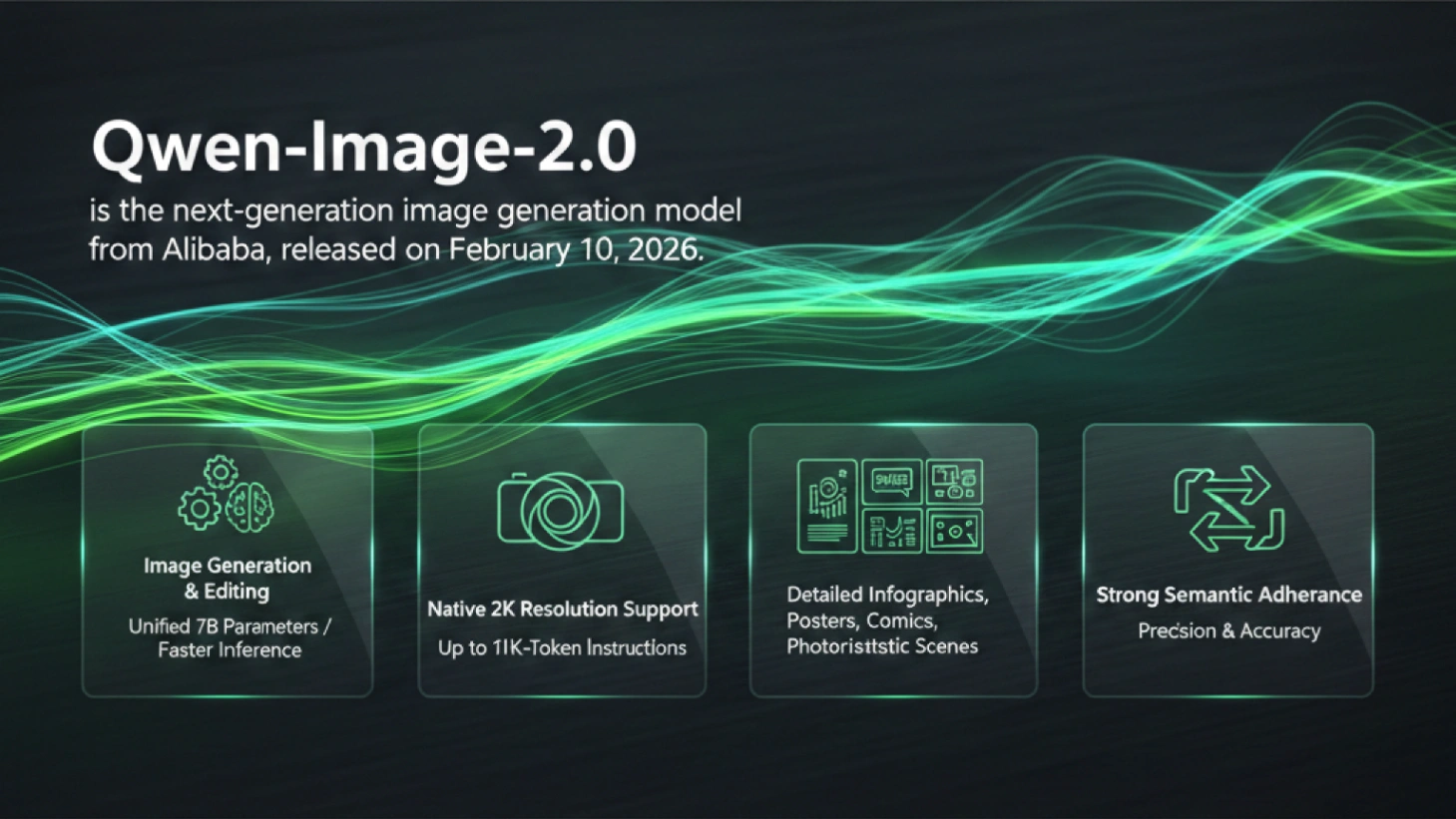
On February 10, 2026, Alibaba officially released its next-generation image generation and editing model, Qwen-Image-2.0. This model supports ultra-long text input with 1K tokens and 2K high resolution, and can accurately render complex instructions.. This release marks a significant milestone in the field of computer vision and generative AI, offering a unified solution for both image generation and editing.
As an AI Image technical expert observing these developments, it is fascinating to see how Qwen Image 2.0 addresses common pain points in the industry, such as text rendering and complex instruction following. This article provides a technical overview of the model, its key features, and its potential impact on creative workflows.
A Unified Architecture for Generation and Editing
Unlike previous versions that treated text-to-image generation and image editing as separate processes, Qwen-Image-2.0 is a completely new upgrade based on the two major models, Qwen-Image and Qwen-Image-Edit. For the first time, it unifies image generation and editing into a single model, achieving a significant improvement in the performance of both raw and modified images with a lighter model architecture. According to the release notes, this "all-in-one" approach allows for a lighter model architecture compared to its 20B parameter predecessor, yet it delivers superior performance.
By optimizing the underlying architecture, the team behind Qwen Image 2.0 has managed to improve inference speeds and deployment efficiency. This integration implies that the model understands the semantic relationship between creating an image from scratch and modifying an existing one, leading to more consistent results during editing tasks.
Key Features and Technical Breakthroughs
The Qwen-Image-2.0 model introduces several technical enhancements that set it apart in the current market. Here is a breakdown of its core capabilities:
1. Massive Context Window for Complex Instructions
One of the most significant limitations in AI image generation has been the prompt length. Qwen-Image-2.0 dramatically expands the input capacity to support up to 1K tokens. This allows users to provide exhaustive, novel-length descriptions (up to hundreds of words) without the model "forgetting" early instructions.
Whether users are describing a multi-layered "exploded view" of a hamburger or a complex nine-panel comic strip with specific character actions, Qwen Image 2.0 demonstrates a remarkable ability to follow long-context instructions. It can parse detailed spatial relationships and temporal sequences, reducing the need for constant prompt engineering.
2. Superior Text Rendering and "Information Diagrams"
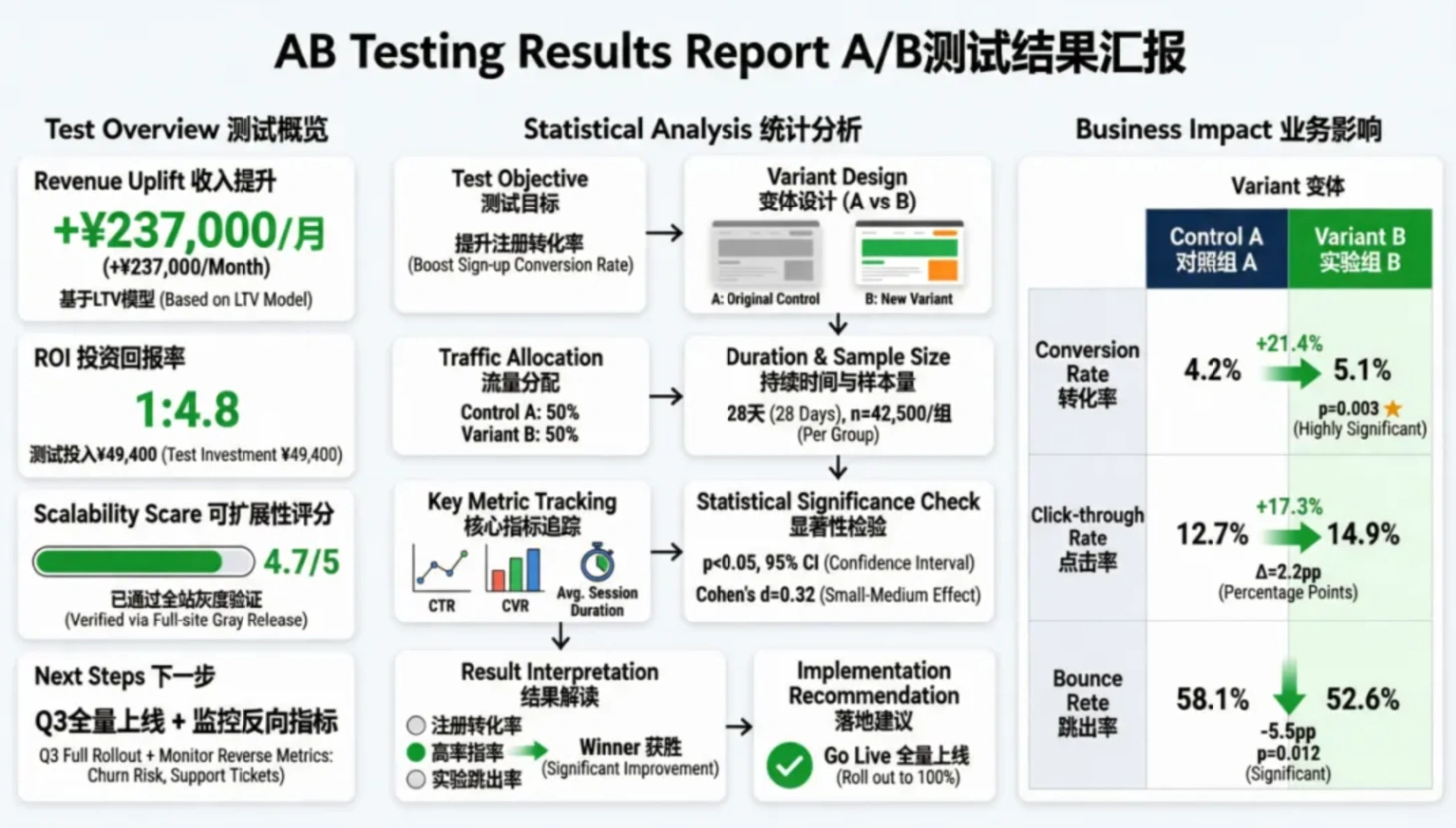
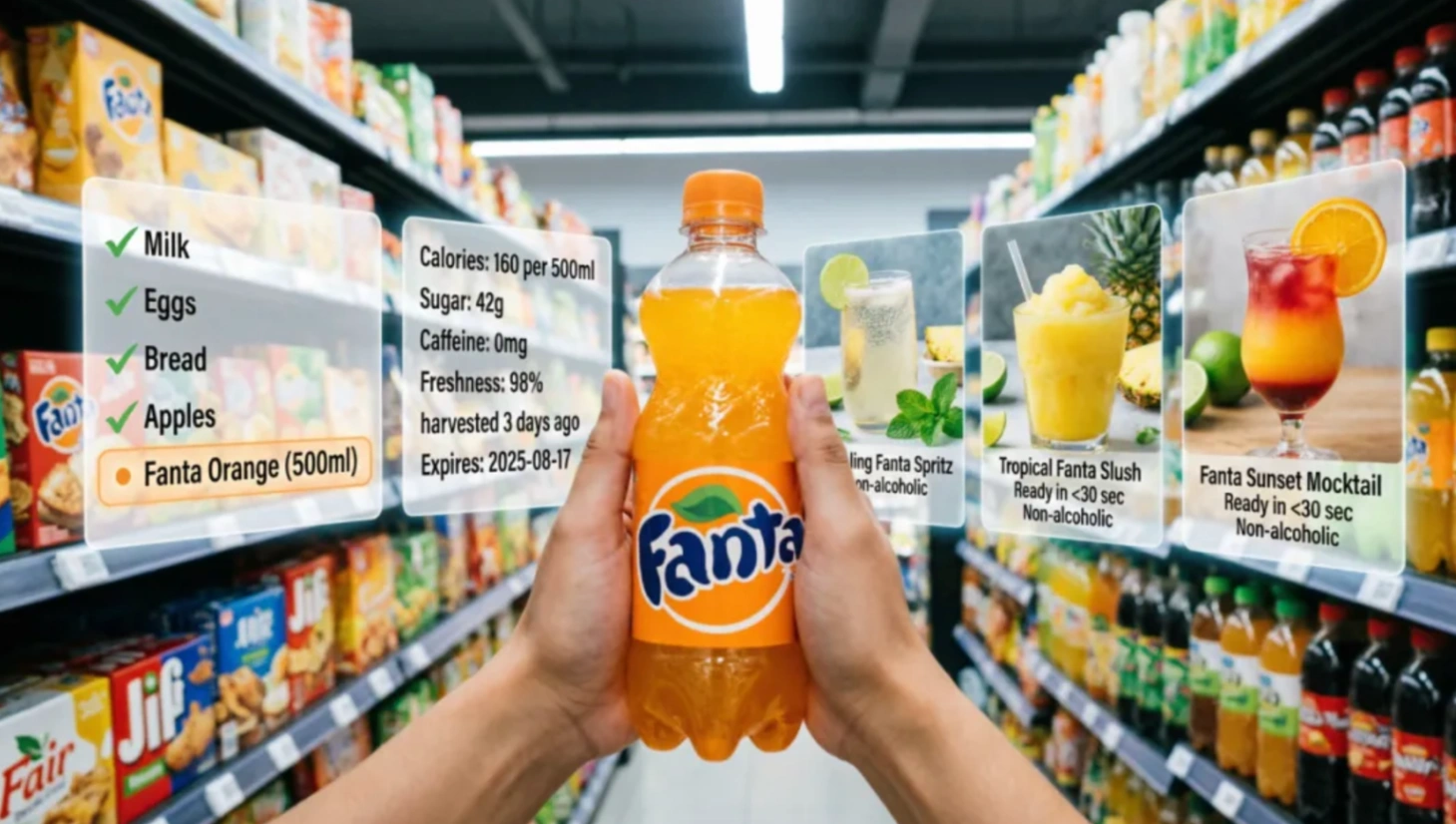
A major focus of this release is the capability to generate "Information Diagrams", such as posters, PPT slides, and educational charts. Historically, AI models struggle with text, often producing gibberish. However, Qwen-Image-2.0 has optimized its VAE (Variational Autoencoder) and generation modules to handle high-density text information.
The model excels at rendering Chinese characters, a task that is notoriously difficult for many global models. It can accurately render calligraphic styles (like the famous "Lantingji Xu") and standard fonts within a commercial poster layout. This makes Qwen Image 2.0 a viable tool for generating production-ready presentation materials where text legibility is paramount.
In terms of Chinese character rendering, Qwen-Image-2.0 performs exceptionally well. It can accurately render Chinese characters in a variety of fonts, and it can render a large number of characters with high accuracy, with better results than Nano Banana Pro.
3. High-Resolution Output and Visual Consistency
The model supports generating images at 2K resolution, ensuring that details remain sharp even in complex scenes like cityscapes or micro-photography simulations. In benchmark tests, specifically the AI Arena, Qwen-Image-2.0 achieved impressive scores, ranking third globally in text-to-image generation and second in image editing.
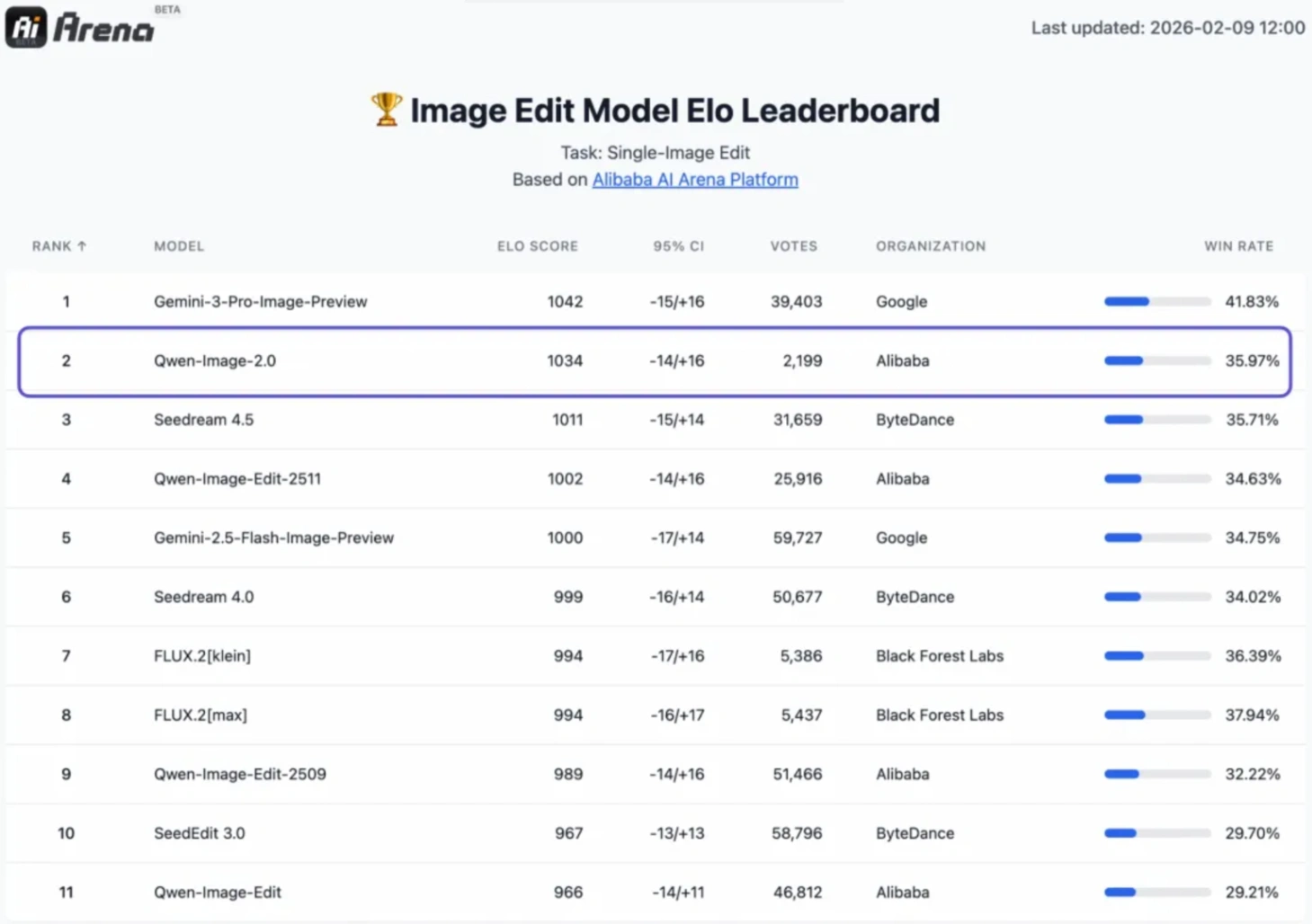
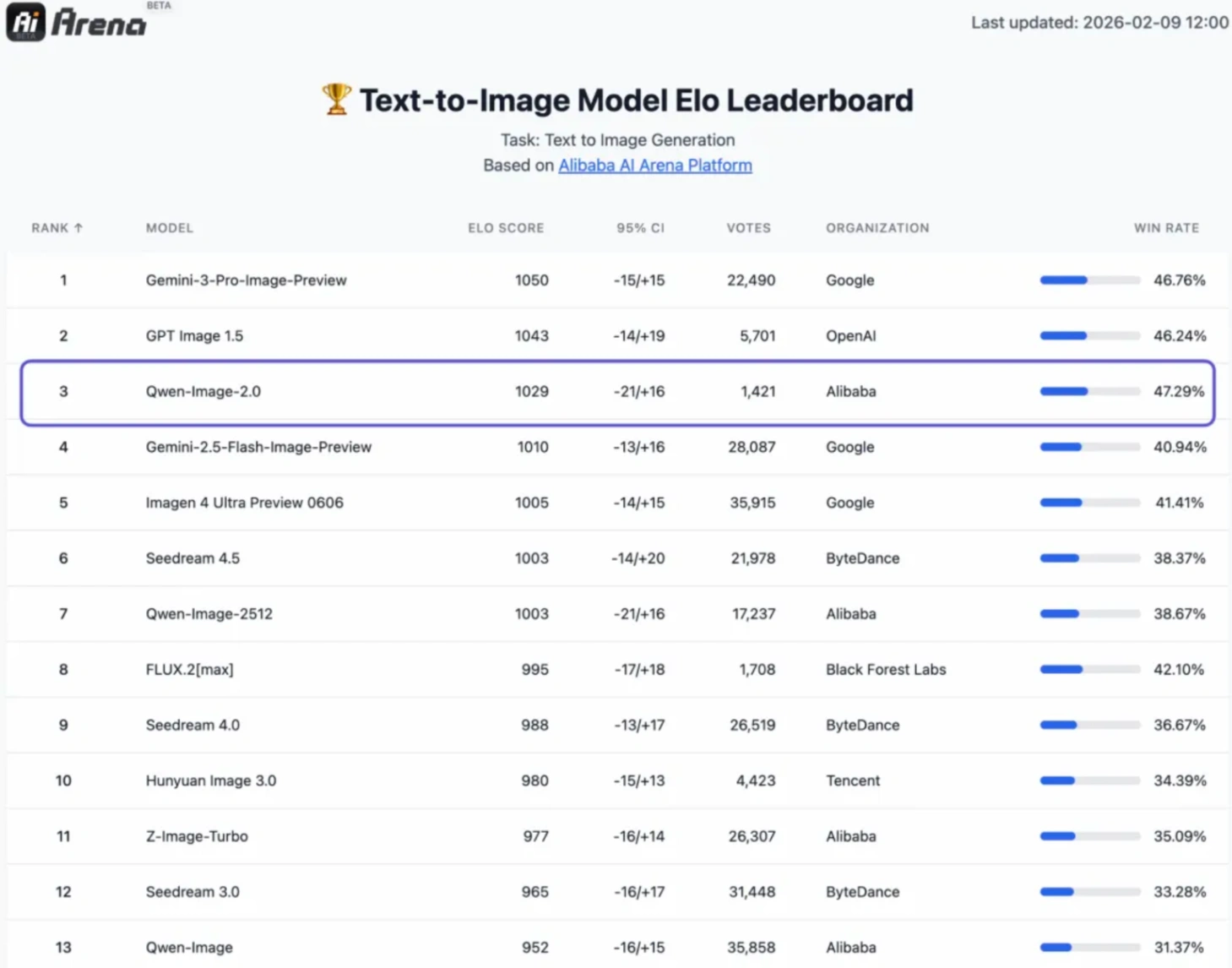
Furthermore, Qwen Image 2.0 addresses the "AI plastic look" by optimizing color saturation and texture to produce more realistic, photograph-like results. It also maintains high subject consistency across multiple generated images, which is essential for storytelling formats like comics or storyboards.
Advanced Editing Scenarios
The editing capabilities of Qwen-Image-2.0 go beyond simple in-painting. The model supports multi-image input for advanced tasks:
- Style Transfer and Fusion: Users can upload a reference style image and a subject image, and the model will blend them naturally.
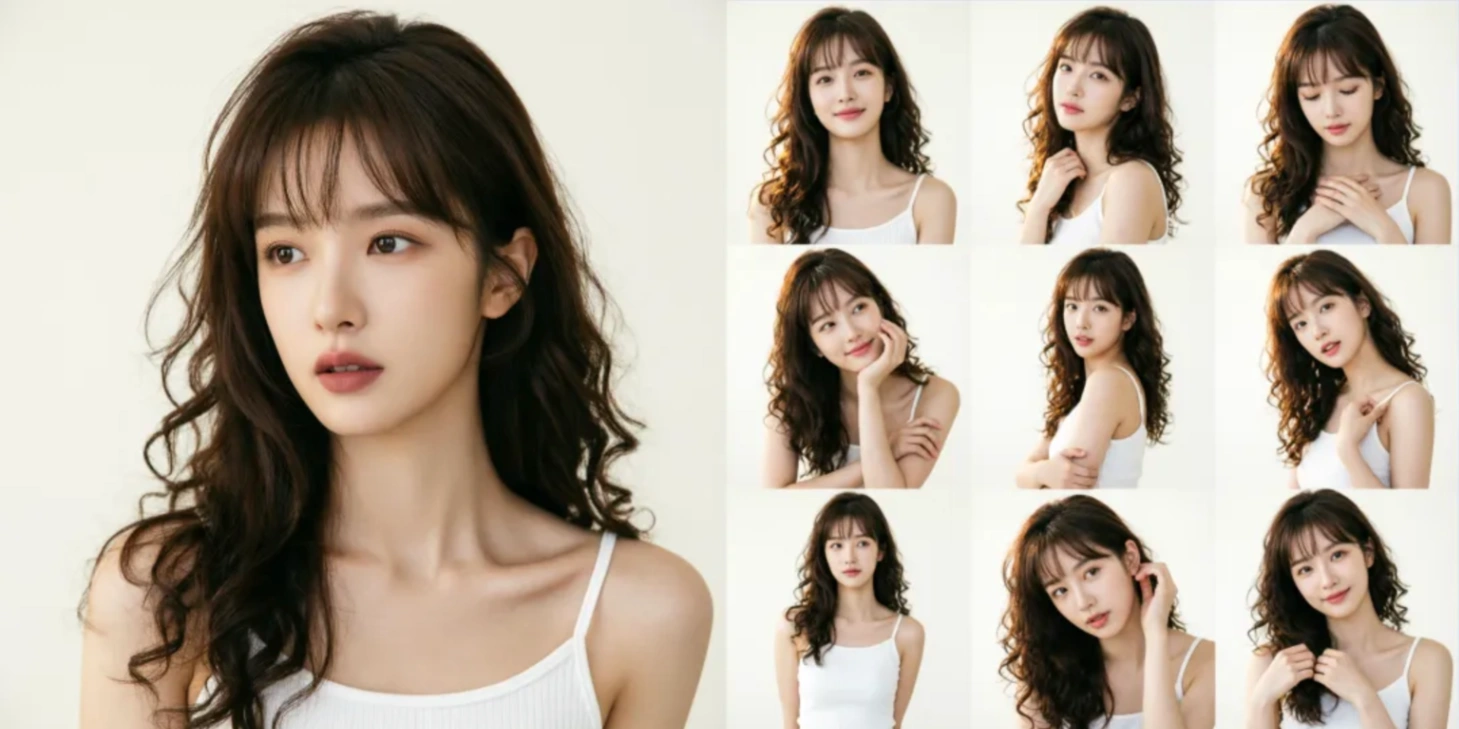
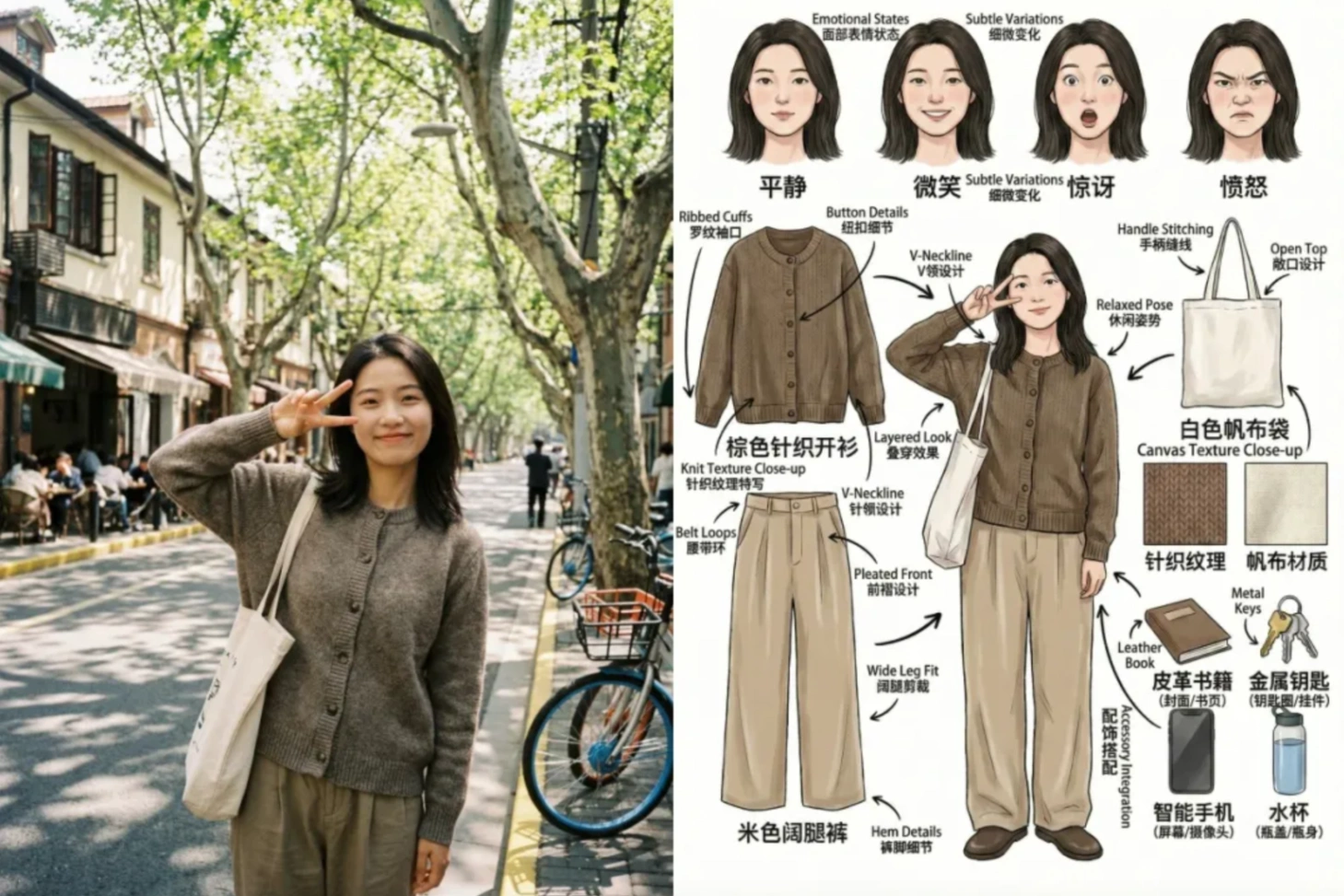
- Creative Deconstruction: It can take a single image and generate a "deconstructed" view or a specific creative variation, such as a set of nine different selfie poses from one portrait.
- Element Replacement: The model can intelligently replace clothing or background elements while accounting for lighting and reflections, as demonstrated in "Try-On" scenarios.
Application Scenarios in the Real World
The technical improvements in Qwen Image 2.0 open up diverse application scenarios for developers and creators:
- E-commerce and Advertising: Generating high-resolution product posters with accurate text descriptions and realistic backgrounds.
- Content Creation: Producing multi-panel comics or storybooks where character consistency is maintained across different scenes.
- Professional Design: Creating draft layouts for PPTs or data visualization charts that require specific text placement.
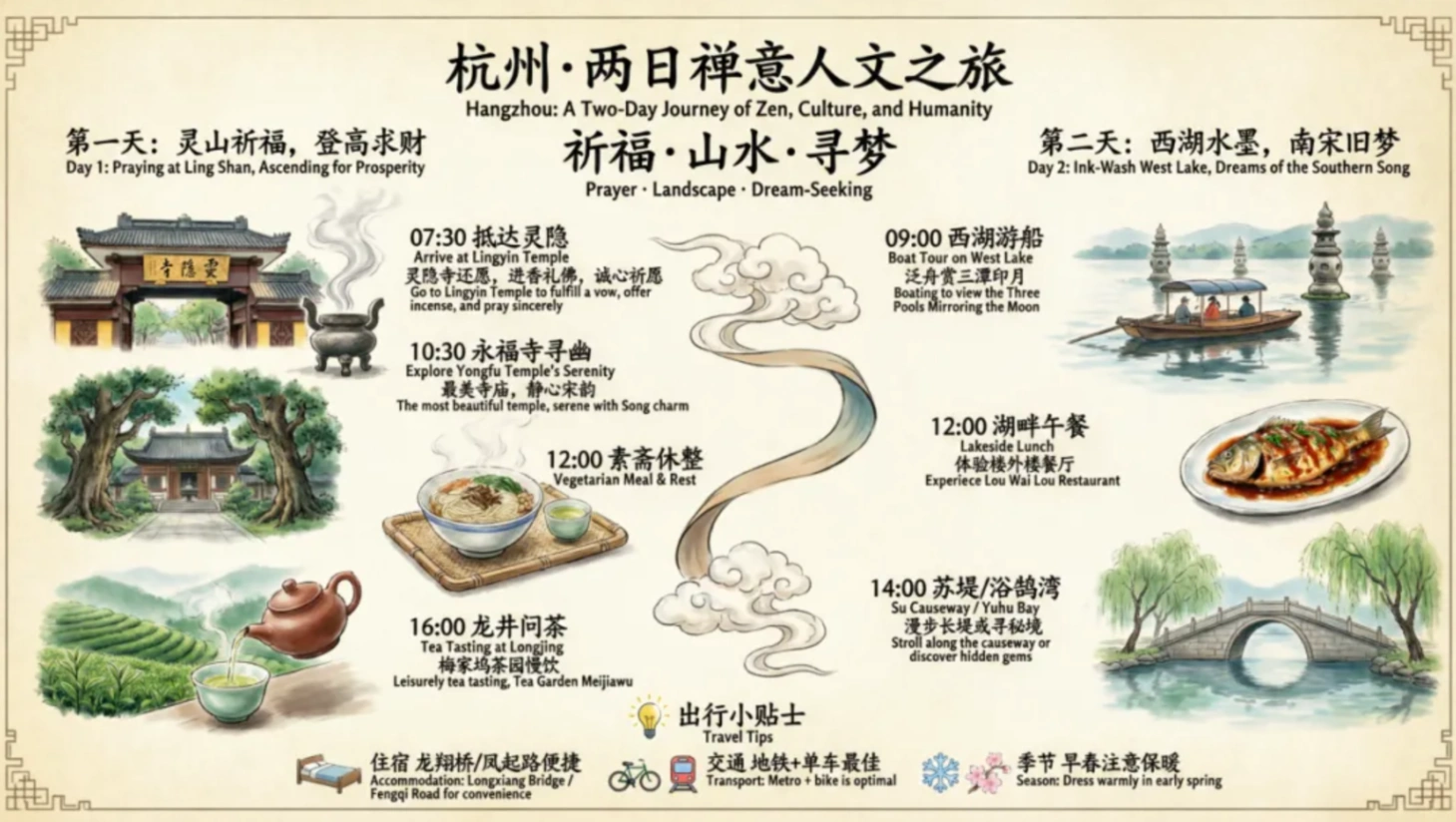
- Creative Entertainment: transforming personal photos into stylized artistic portraits or generating travel guides based on simple text prompts.
Conclusion
The release of Qwen-Image-2.0 represents a pragmatic step forward in making generative AI a reliable productivity tool rather than just a novelty. By solving critical issues like long-text understanding and accurate character rendering, Alibaba has positioned this model as a strong competitor in the global arena.
For developers and technical enthusiasts, Qwen Image 2.0 is currently available for testing via the Aliyun Bailian API and the Qwen Chat interface (chat.qwen.ai). As the technology matures, we can expect to see even more innovative applications built upon this robust visual foundation.