
Kling 3.0 Release: A Technical Preview of the Future of AI Video
Date: February 6, 2026
Category: AI Technology / Generative Video
Author: Jsam (Kling 3.0 Technical Expert)
The landscape of generative media is shifting rapidly. With the official announcement on February 4, 2026, Kling AI has formally launched the Kling 3.0 Model Series. This is no longer just a roadmap; the "Kling 3.0 Era" has arrived.
Currently available to Ultra subscribers with a public release following soon, this update represents a move toward an "All-in-One" product philosophy. It integrates complex multimodal capabilities (text, image, video, and audio) into a deeply unified training framework that redefines the boundaries of AI storytelling.
Here is a technical breakdown of what is now live in the Kling 3.0 series, including the groundbreaking Video 3.0 and Video 3.0 Omni.
The "All-in-One" Architecture
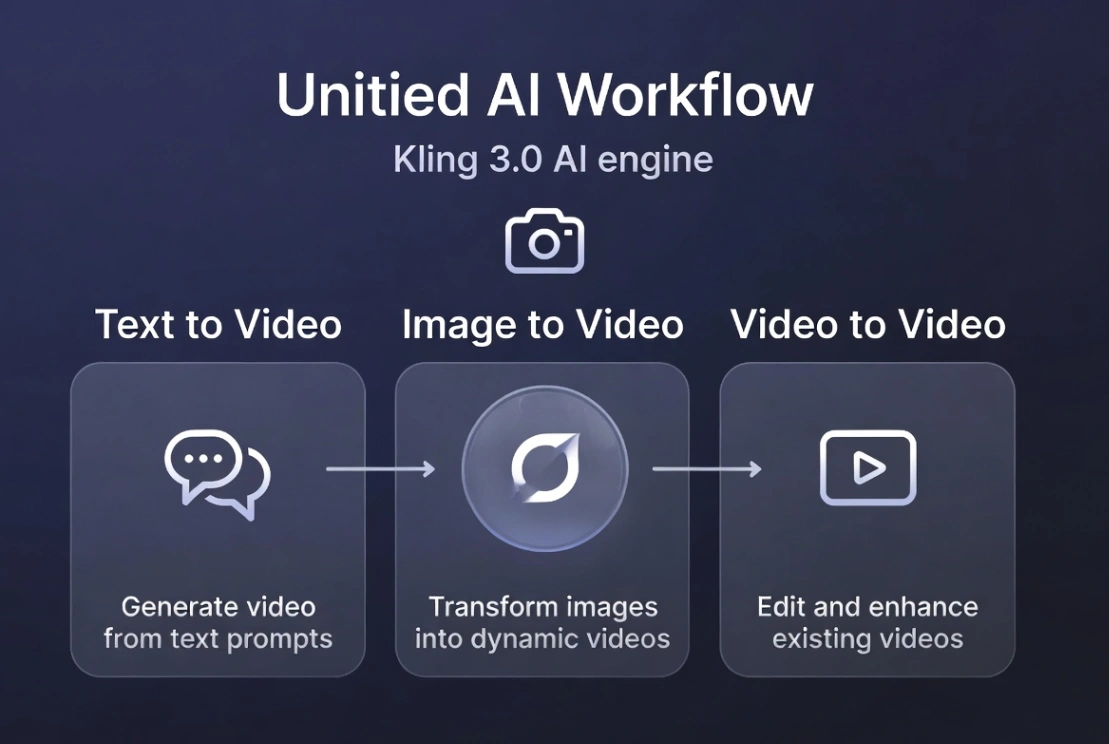
The core differentiator of the Kling 3.0 series is its departure from fragmented single-modality models. The new architecture utilizes a native multimodal training framework. Unlike previous iterations that might treat audio or motion as separate layers, Kling 3.0 allows for cross-task integration.
This structural update means the model supports deep analysis of multimodal prompts. By seamlessly integrating Native Audio with advanced Element Consistency control, the system infuses AI-generated visuals with a stronger sense of life and coherence, bridging the gap between static asset generation and dynamic video production.
Kling Image 3.0: The "Thinking" Visual Engine
(Note: While the video capabilities have taken center stage in this update, the foundational image generation capabilities remain a critical part of the ecosystem.)
The foundation of video is the image, and Kling's improvements aim at professional consistency rather than just aesthetic generation.
Visual Chain-of-Thought (vCoT) & Deep-Stack
- Visual Chain-of-Thought (vCoT): Similar to how LLMs process logic steps, the system reasons through scene construction before rendering, improving adherence to cinematic framing and lens language.
- Physical Fidelity: The Deep-Stack mechanism enhances fine-grained perception. This results in native high-resolution output with improved texture mapping and lighting physics, reducing common "AI artifacts".
Sequential Consistency
For storyboard artists, the Series Mode allows for the generation of logically connected image groups. This ensures that style, character features, and environmental details remain consistent across multiple frames.
Kling Video 3.0: The AI Director
Moving to motion, Kling Video 3.0 addresses the biggest pain points in current generative video: temporal coherence, text rendering, and shot control.
Intelligent Multi-Shot Storytelling
Kling Video 3.0 introduces a true "AI Director" capability. Instead of generating a single chaotic clip, the model can interpret script-based instructions to manage camera blocking.
- Cinematic Language: The model now understands complex cinematic techniques. From classic shot-reverse-shot dialogues to advanced cross-cutting, it automatically adjusts camera angles and compositions based on the prompt.
- Unified Generation: Creators can say goodbye to tedious editing. A single generation can now encompass multiple shots, creating a narrative flow that feels professionally edited right out of the box.
Native-Level Text Output
A significant upgrade in Kling Video 3.0 is the ability to render precise lettering. Whether preserving details like signs and captions from an original image or generating new text content, the model presents clear, well-structured layouts. This capability is specifically optimized to meet high-fidelity use cases such as e-commerce advertising.
Enhanced Native Audio & Linguistics
Audio is no longer an afterthought. Kling 3.0 Video supports native lip-syncing across five languages (Chinese, English, Japanese, Korean, Spanish).
- Dialects and Accents: The upgrade renders authentic dialects and accents, adding a layer of realism previously unattainable.
- Multilingual Scenes: The model can handle bilingual conversations within the same scene (e.g., a tourist asking directions in broken Spanish), ensuring lip movements remain natural and coherent.
Extended Duration & Flexibility
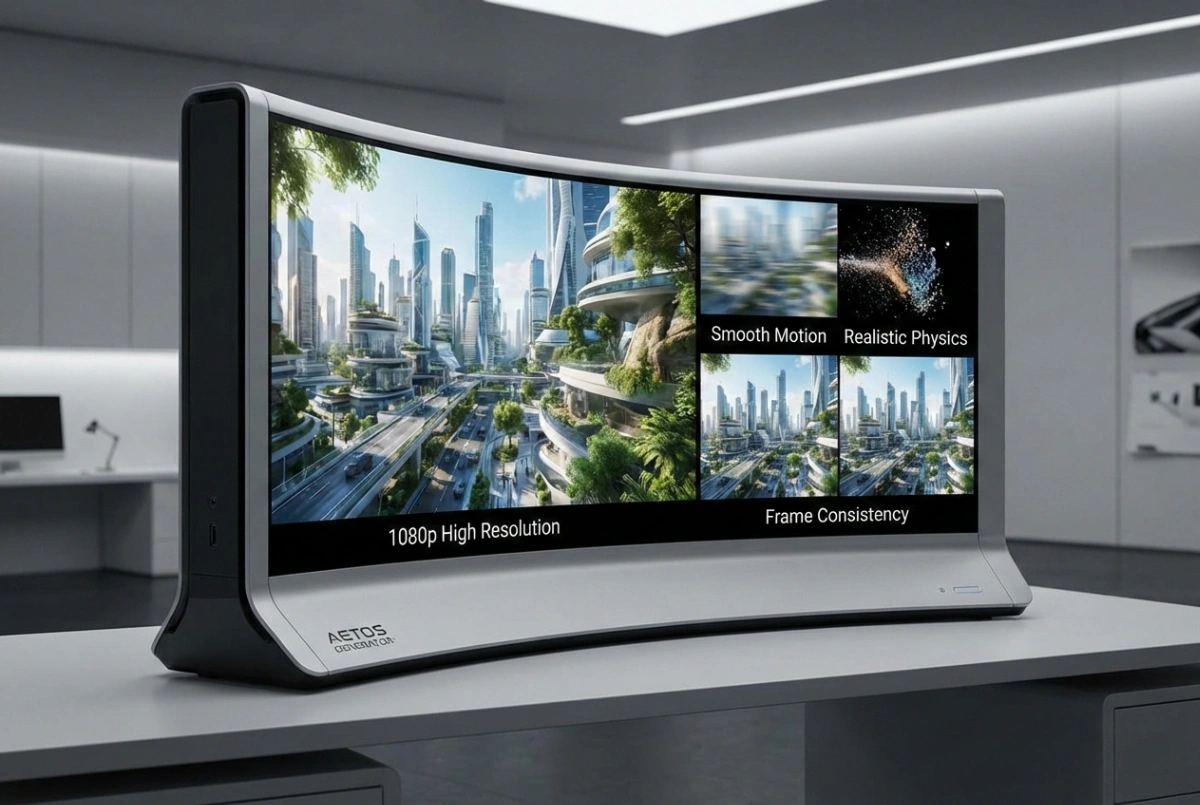
The Kling 3.0 model breaks previous duration limits, supporting a flexible generation window of 3 to 15 seconds. This allows for the accommodation of complex action sequences and scene development without the fragmentation often seen in shorter AI clips.
Kling Video 3.0 Omni: Professional Identity Locking
For enterprise and high-end creative workflows, the Kling Video 3.0 Omni model introduces "Elements 3.0" and superior control mechanisms.
Elements 3.0: Video-Character Reference
This feature is a game-changer for content creators who want to "act" in their own AI movies.
- Performance Cloning: Users can upload or record a 3-to-8-second reference video. The model extracts the core character traits and voice, perfectly preserving the likeness. You can literally perform a scene, and the AI will re-render it with your character in a new setting while maintaining visual and audio consistency.
- Voice Extraction: When building Elements from static images, users can now upload an audio clip (at least 3s) to extract voice data, giving static characters a consistent voice profile.
Storyboard Narrative 3.0: Granular Control
While Video 3.0 offers automatic direction, Video 3.0 Omni provides granular control via the new custom storyboard capabilities. Users can specify duration, shot size, perspective, and narrative content for each shot within the 15-second window, ensuring every second serves the creative vision.
Technical Deep Dive: Under the Hood
For the technically inclined, Kling 3.0 introduces three major architectural breakthroughs:
- Native Cross-Modal Audio Engine: Building upon optimal noise sampling intervals, a new module for audio extraction and embedding allows for highly coherent sound effects, dialogues, and singing that sync perfectly with visual cues.
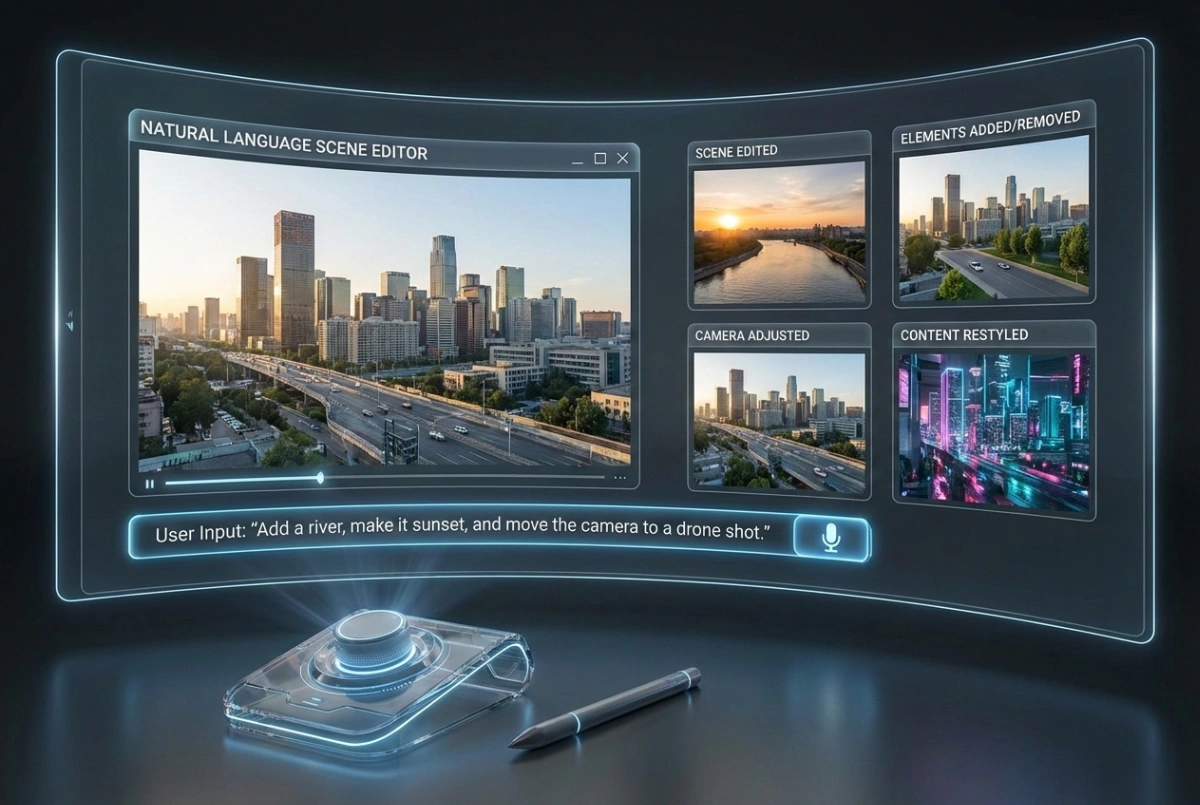
- Multimodal Reference & Decoupling: By utilizing feature decoupling and recombination technologies, the model allows for adding or editing subjects across different scenes with high complexity. This ensures that a character remains consistent even as the environment changes dynamically.
- Unified Prompt Formatting: A new solution for analyzing multimodal prompts helps the model accurately understand complex narrative logic, which is the key enabler for the new Multi-shot and long-duration features.
At a Glance: The Evolutionary Leap
To fully appreciate the scale of this update, it is helpful to look at the direct comparison between the previous iterations and the new 3.0 architecture. The transition is not merely about quality; it is about adding layers of control and native logic.
1. Standard Model Evolution: Kling Video 2.6 vs. Video 3.0
The standard 3.0 model effectively democratizes advanced directing techniques. While 2.6 was a powerful generator, 3.0 acts as a comprehensive storytelling engine with native audio and multi-character logic.
| Feature / Capability | Kling VIDEO 2.6 | Kling VIDEO 3.0 |
|---|---|---|
| Text-to-Video & Image-to-Video | ✅ | ✅ |
| Native Audio | ✅ | ✅ |
| Multi-Shot Generation | ❌ | ✅ (New) |
| Element Reference (Start Frame) | ❌ | ✅ (New) |
| Multi-Character Coreference (3+) | ❌ | ✅ (New) |
| Multilingual Support (CN, EN, JP, KR, ES) | ❌ | ✅ (New) |
| Dialects & Accents | ❌ | ✅ (New) |
| Flexible Duration (up to 15s) | ❌ | ✅ (New) |
Key Takeaway: The addition of Multi-Shot and Multi-Character Coreference means creators can now generate complex interactions (like a group of people talking) without the model losing track of who is who—a massive leap for narrative consistency.
2. High-Fidelity Model Evolution: Kling Video O1 vs. Video 3.0 Omni
The "Omni" line represents the bleeding edge of Kling's capabilities. The shift from O1 to 3.0 Omni focuses on deep integration: bringing audio and video references into the generation pipeline to "lock" character identity more securely than ever before.
| Feature / Capability | Kling VIDEO O1 | Kling VIDEO 3.0 Omni |
|---|---|---|
| Text-to-Video | Visuals Only | ✅ Visuals + Native Audio + Multi-shot |
| Video Element Reference | Not supported | ✅ Supported (Upload/Record video to clone character) |
| Voice Control for Elements | Not supported | ✅ Supported (Add specific voice to visual elements) |
| Multi-Shot | Not supported | ✅ Supported |
| Max Duration | Up to 10s | ✅ Up to 15s |
| Reference Logic | Multi-image Reference | ✅ Multi-image + Video + Audio Reference |
Key Takeaway: The defining feature of 3.0 Omni is the ability to use Video Elements. Unlike O1, which relied on static images to understand a character, 3.0 Omni can watch a video clip to learn a subject's movement and voice, enabling true "digital twin" performance in AI video.
Conclusion
The Kling 3.0 series represents a maturation of generative video technology. By integrating visual reasoning, precise text rendering, and robust "Elements" for consistency, Kling is positioning itself not just as a generator, but as a comprehensive production suite.
"Everyone's a Director. The Time is Now!"
As these Kling 3.0 models roll out to Ultra subscribers and eventually the public, platforms like klingaio.com are preparing to integrate these workflows, offering creators unified access to this new standard of AI storytelling. We look forward to seeing how the community pushes the boundaries of these new tools.